


Understanding Luxury Vinyl Plank (LVP) Flooring: Is It Truly 100% Waterproof?
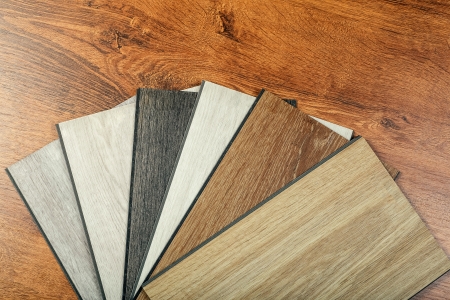
When choosing flooring for your home or business, including those in areas like Annapolis, Maryland, Luxury Vinyl Plank (LVP) often stands out as a popular option due to its durability, affordability, and aesthetic appeal. One of the most frequently touted benefits of LVP is its "waterproof" nature, but is it truly 100% waterproof? At Shore Side Carpet & Flooring, we want to provide clarity on this topic to help you make informed decisions for your flooring needs.
What is Luxury Vinyl Plank (LVP) Flooring?
Luxury Vinyl Plank (LVP) is a synthetic flooring material designed to mimic the look of natural wood or stone while offering superior durability and low maintenance. LVP is constructed in layers, typically including a wear layer, a printed design layer, a vinyl core, and a backing layer. Many LVP products are marketed as "waterproof" due to their water-resistant properties, making them a go-to choice for kitchens, bathrooms, and other moisture-prone areas.
The Waterproof Claim: Fact or Marketing?
The term "waterproof" is commonly used in LVP marketing, but it’s important to understand what this really means. While LVP is highly water-resistant, it is not always 100% waterproof in every scenario. Here’s why:
1. Water-Resistant Core vs. Waterproof System
Most LVP products feature a water-resistant core, often made from materials like PVC (polyvinyl chloride) or stone-plastic composite (SPC). These cores resist water penetration, meaning spills, splashes, or humidity won’t easily damage the planks themselves. However, the "waterproof" claim typically applies to the planks’ surface and core, not the entire flooring system, including seams, subfloor, and installation.
2. Seams and Edges: The Weak Point
While the planks themselves are highly resistant to water, the seams where planks connect can be vulnerable. If water seeps into the seams—especially in poorly installed floors—it can reach the subfloor, potentially causing damage like warping, mold, or mildew. Proper installation with tight seams and appropriate underlayment is critical to maximizing water resistance.
3. Subfloor and Environmental Factors
LVP’s water resistance assumes a properly prepared subfloor. If the subfloor is not level, sealed, or made of a moisture-resistant material, prolonged exposure to water can cause issues. For example, a concrete subfloor with high moisture content or a wooden subfloor exposed to standing water can compromise the flooring system, even if the LVP itself remains intact.
4. Standing Water and Prolonged Exposure
While LVP can handle spills and occasional moisture, prolonged exposure to standing water—such as from a leak or flood—can challenge its limits. Most manufacturers specify that standing water should be cleaned up promptly to avoid potential issues. Even "waterproof" LVP may not withstand constant submersion or extreme conditions without proper care.
Tips for Maximizing LVP’s Water Resistance
To ensure your LVP flooring performs at its best in moisture-prone areas, follow these tips:
- Choose High-Quality LVP: Opt for LVP with a robust wear layer and a rigid core (like SPC) for enhanced durability and water resistance.
- Professional Installation: Proper installation by experienced professionals ensures tight seams and a secure fit, minimizing water seepage.
- Use Appropriate Underlayment: A moisture-resistant underlayment can add an extra layer of protection against subfloor moisture.
- Prompt Spill Cleanup: Clean up spills and standing water quickly to prevent potential damage to seams or the subfloor.
- Regular Maintenance: Follow manufacturer guidelines for cleaning and maintenance to preserve the flooring’s protective layers.
Why Choose LVP Despite the Waterproof Myth?
Even though LVP may not be 100% waterproof in every scenario, it remains an excellent choice for many homes and businesses, including those in Annapolis, Maryland. Its benefits include:
- High Water Resistance: LVP outperforms many other flooring types, like hardwood or laminate, in moist environments.
- Durability: Resistant to scratches, dents, and wear, LVP is ideal for high-traffic areas.
- Aesthetic Versatility: Available in a wide range of styles, colors, and textures to suit any design preference.
- Cost-Effective: Offers the look of premium materials like hardwood or stone at a fraction of the cost.
Trust Shore Side Carpet & Flooring for Expert Advice and Installation
At Shore Side Carpet & Flooring, we’re committed to helping you find the perfect flooring solution for your space, whether you’re located near Annapolis, Maryland or beyond. While LVP is a fantastic option for moisture-prone areas, understanding its limitations ensures you get the most out of your investment. Our team of flooring experts can guide you through selecting the right LVP product, provide professional installation, and offer maintenance tips to keep your floors looking pristine.
Ready to explore LVP for your home or business? Contact Shore Side Carpet & Flooring today for a consultation, and let us help you create a beautiful, durable, and water-resistant floor that meets your needs!